Technology changes quickly. Buildings do not.
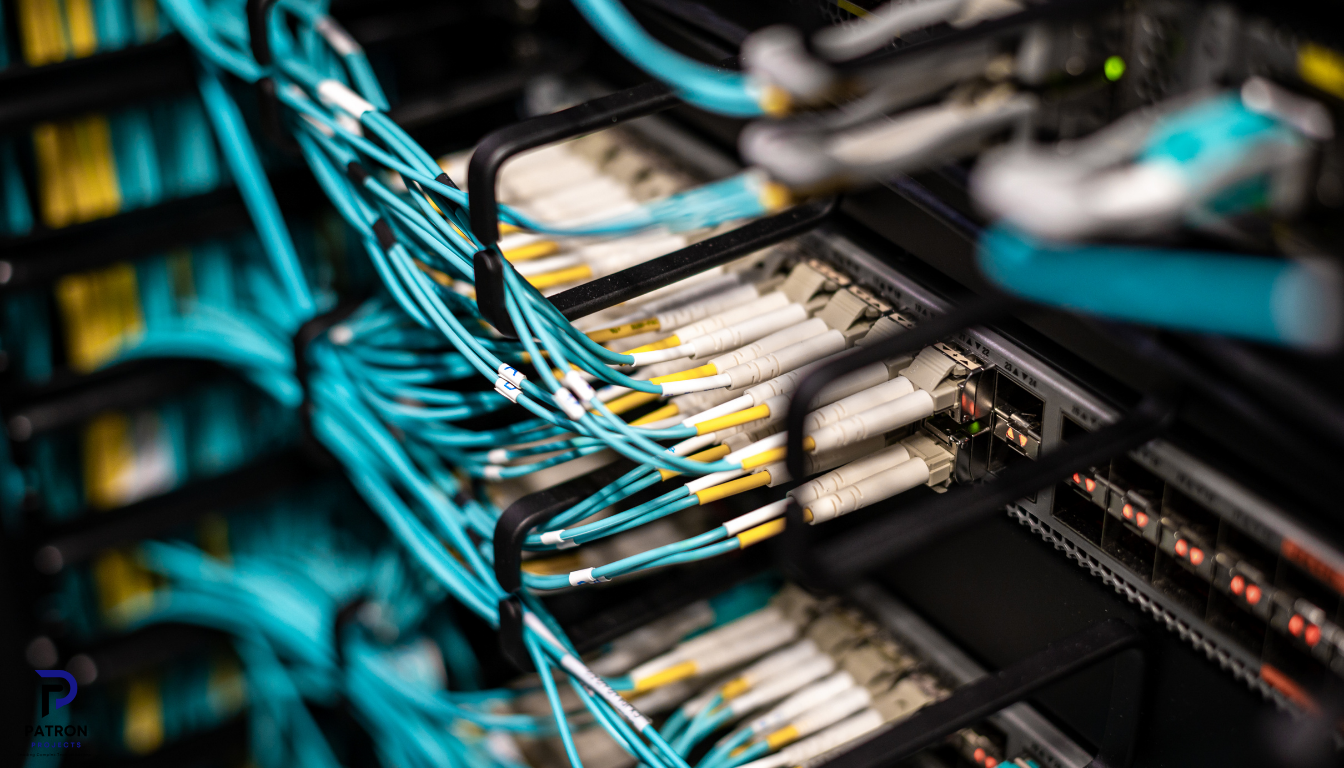
While network equipment, wireless systems, security platforms, and collaboration technologies continue to evolve, the physical infrastructure supporting them is expected to serve an institution for decades. That makes structured cabling one of the longest-lasting investments an organization will make—and one of the easiest to overlook.
Too often, structured cabling is treated as a construction detail rather than a strategic asset. Decisions are made late in a project, documentation is incomplete, and future growth is left to chance. The result is an infrastructure that works on the day it is installed but becomes increasingly difficult and expensive to adapt as organizational needs change.
Thoughtful structured cabling planning takes a different approach. It begins with understanding today’s physical environment while anticipating tomorrow’s operational demands. The goal is not simply to install cable. The goal is to create an infrastructure that can support change without requiring constant reconstruction.
The Infrastructure Everyone Depends On
Nearly every technology system relies on structured cabling in some form.
Network connectivity, wireless access points, security cameras, access control systems, audiovisual technology, emergency communications, environmental controls, and building automation all depend on reliable physical pathways.
When those pathways are well planned, adding or upgrading technology becomes straightforward. When they are not, even routine projects can require unexpected construction, additional expense, and operational disruption.
The quality of an institution’s technology is often limited by the quality of the infrastructure hidden above ceilings, behind walls, and inside telecommunications rooms.
Planning for Technology That Does Not Exist Yet
One of the most common planning mistakes is designing cabling only for current needs.
Organizations frequently estimate the number of connections required today without considering how facilities may evolve over the next ten to twenty years. New instructional spaces, hybrid work environments, expanded security requirements, wireless density, and future building technologies all increase demands on physical infrastructure.
Planning for future growth does not require predicting every technology that will emerge. It requires creating pathways, capacity, and flexibility that allow future systems to be added without rebuilding what already exists.
The most valuable structured cabling systems are often those that make future projects easier rather than those that simply meet today’s requirements.
Existing Documentation Is Not Always Reality
Many organizations begin planning with existing drawings and historical documentation.
Unfortunately, documentation often reflects what was intended rather than what was actually installed.
Over time, renovations occur, pathways change, abandoned cable remains in place, and equipment is relocated without corresponding updates to documentation. Years later, organizations may believe they understand their infrastructure until construction begins and unexpected conditions are discovered.
Independent physical assessments help establish an accurate understanding of existing conditions before design decisions are made.
Knowing what actually exists allows project teams to make informed decisions instead of reacting to surprises during construction.
Growth Requires More Than Additional Cable
Future readiness involves more than increasing cable counts.
Telecommunications rooms must have adequate space for future equipment. Pathways need sufficient capacity for expansion. Building entrances, conduit systems, cable trays, and vertical pathways all need to support growth without becoming bottlenecks.
Organizations also benefit from considering how multiple projects interact over time.
A renovation completed today should not limit a network upgrade next year or create unnecessary obstacles for future security improvements. Coordinated planning allows infrastructure investments to support multiple initiatives instead of solving only a single project.
Independent Planning Creates Better Decisions
Structured cabling planning should begin with the institution’s operational goals rather than a manufacturer’s product catalog or an installer’s preferred approach.
Independent planning evaluates existing conditions, anticipated growth, operational priorities, and long-term facility needs before recommendations are developed.
This allows leadership to understand available options, evaluate tradeoffs, and invest in infrastructure that supports the organization’s mission over many years.
The objective is not to specify more infrastructure than necessary. It is to ensure the infrastructure being installed remains useful long after today’s technology has been replaced.
A Long-Term Investment Deserves Long-Term Planning
Structured cabling is one of the few technology investments expected to remain in service through multiple generations of equipment.
Careful planning reduces future construction costs, simplifies technology upgrades, improves documentation, and provides greater confidence as facilities evolve.
Organizations that invest time in understanding their existing infrastructure and planning for future growth are better positioned to adapt without unnecessary disruption or expense.
A well-planned structured cabling system does not eliminate future change.
It makes future change significantly easier to manage.
Planning begins with understanding what exists today and what your facilities will need tomorrow. Patron Projects provides independent Structured Cabling Assessment and Planning services that help organizations evaluate existing infrastructure, identify future capacity needs, and develop practical strategies for long-term growth.
Explore Our Solutions to learn how thoughtful infrastructure planning can reduce risk and support future technology initiatives.