
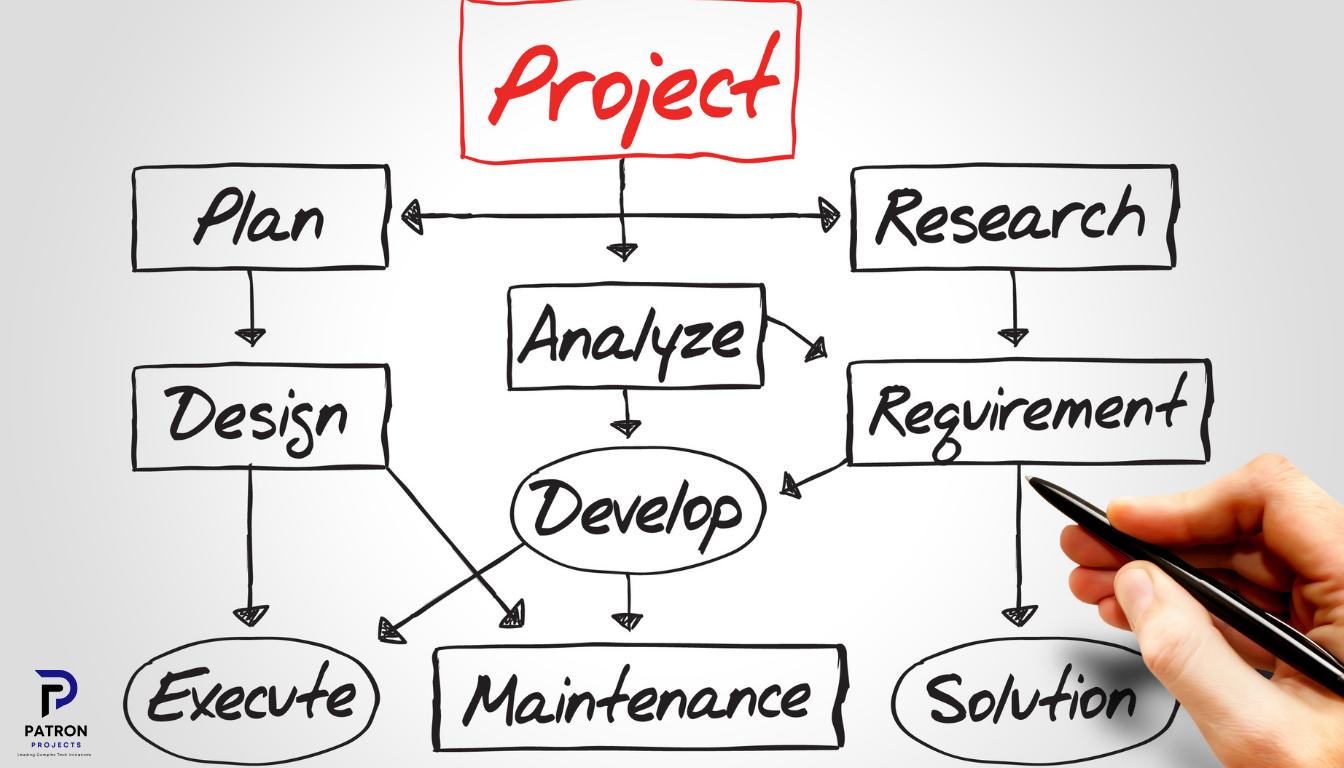
Large infrastructure programs rarely become difficult because there is only one project to manage.
The difficulty comes when there are ten.
A network refresh is competing with telecommunications room improvements. A building renovation creates a deadline that cannot move. Aging infrastructure needs attention. Leadership has committed funding to another initiative. Facilities has its own capital plan. Meanwhile, several departments have projects they consider urgent.
Individually, each request may make sense.
The problem is that infrastructure projects rarely exist independently.
One project creates requirements for another. Work planned for next year may depend on infrastructure that needs to be addressed this year. A project that appears urgent may actually need to wait until foundational work is complete.
This is where large programs begin to lose control.
The solution is not simply a better project list.
It is a defensible phasing plan.
Urgency and Priority Are Not the Same Thing
When organizations have more projects than available funding, staff, or time, prioritization is unavoidable.
The natural response is to rank projects.
Critical projects go to the top. Less important projects move down.
That sounds reasonable, but infrastructure does not always cooperate with a simple ranking system.
The project with the greatest visibility may not be the project that should happen first.
For example, an institution may want to modernize technology in a building, but the existing telecommunications rooms, pathways, power, or network infrastructure may not adequately support the planned improvements.
The visible project may be the priority.
The foundational work may need to come first.
Good phasing recognizes that difference.
Understand Dependencies Before Establishing Phases
Before deciding when projects should occur, institutions need to understand how those projects relate to one another.
That requires looking beyond individual project scopes.
What infrastructure does each project depend on?
What work must be completed before construction begins?
Are several projects relying on the same telecommunications rooms, pathways, network resources, or facilities?
Could work completed during one phase eliminate the need to perform similar work again later?
Are there building projects already scheduled that create an opportunity to coordinate infrastructure improvements?
These questions often change the sequence.
They can also expose conflicts that are difficult to see when projects are evaluated separately.
A phasing plan should make those relationships visible before money is committed.
Foundational Projects Are Often the Least Visible
One of the hardest prioritization decisions is choosing foundational work over something people can immediately see.
Replacing aging pathways is not particularly exciting.
Correcting telecommunications room conditions may not create an obvious new capability.
Improving documentation does not generate the same attention as deploying a new system.
But those projects can determine whether everything that follows works as intended.
Institutions sometimes postpone foundational work because the immediate benefit is difficult to demonstrate. Eventually, the organization reaches a project that cannot proceed without addressing the infrastructure underneath it.
At that point, the foundational work has not disappeared.
It has simply become urgent.
A good phasing plan identifies those conditions early enough for leadership to make deliberate decisions instead of reacting to them later.
Funding Should Influence the Plan, Not Define It
Large infrastructure programs are rarely funded all at once.
Funding may arrive annually, through capital projects, grants, departmental budgets, or other sources.
That reality has to be incorporated into the phasing strategy.
But there is an important distinction between developing a plan around funding constraints and allowing available funding to determine the strategy.
When organizations pursue whichever project currently has money attached to it, infrastructure can develop in disconnected pieces.
A stronger approach establishes the desired sequence first and then determines how available funding can move the institution toward that objective.
This also helps when funding changes.
If additional money becomes available, leadership can see which projects can responsibly be accelerated.
If funding is reduced, leadership can identify what can move without undermining the rest of the program.
The roadmap remains useful because the logic behind it remains intact.
Build Decision Points Into the Plan
A five-year infrastructure plan should not assume that nothing will change for five years.
It will.
Budgets change. Buildings are renovated. Leadership priorities shift. Equipment reaches the end of its useful life earlier than expected. New requirements emerge.
A useful phasing plan accounts for that reality.
Instead of creating a rigid sequence that becomes obsolete when one assumption changes, establish decision points.
At those points, leadership can reconsider conditions and ask:
Has the underlying need changed?
Has another project created a new dependency?
Has funding changed?
Has the risk become more significant?
Can a later phase safely move forward?
This allows the plan to remain structured without becoming inflexible.
Create One View of the Program
Another common source of difficulty is fragmented ownership.
Facilities may maintain one project list. Information technology may maintain another. Individual departments may have their own initiatives. Capital planning may operate from a separate schedule.
Each group can make perfectly reasonable decisions and still create a poorly coordinated program.
Someone needs to look across those boundaries.
Leadership needs one view that explains what is planned, what comes first, what depends on what, and what happens if the sequence changes.
That view does not eliminate competing priorities.
It makes them easier to resolve.
A Good Phasing Plan Makes Decisions Easier to Defend
The real value of project prioritization is not creating a perfectly ordered spreadsheet.
It is giving leadership a clear basis for making difficult decisions.
Why are we doing this project now?
Why is another project waiting?
What happens if we move this phase?
What infrastructure has to be addressed before the next investment?
Where should the next available dollar go?
Those questions should have answers grounded in infrastructure conditions, dependencies, risk, operational needs, and institutional priorities.
Large infrastructure programs will always involve competing demands.
Chaos is not inevitable.
When dependencies are understood, priorities are explicit, and the sequence is defensible, leadership gains something more valuable than a project list.
It gains control.
Patron Projects helps organizations build practical prioritization and phasing plans that give leadership a clear basis for deciding what happens now, what comes next, and why.