Cloud decisions are not about location. They are about control, cost, and clarity.
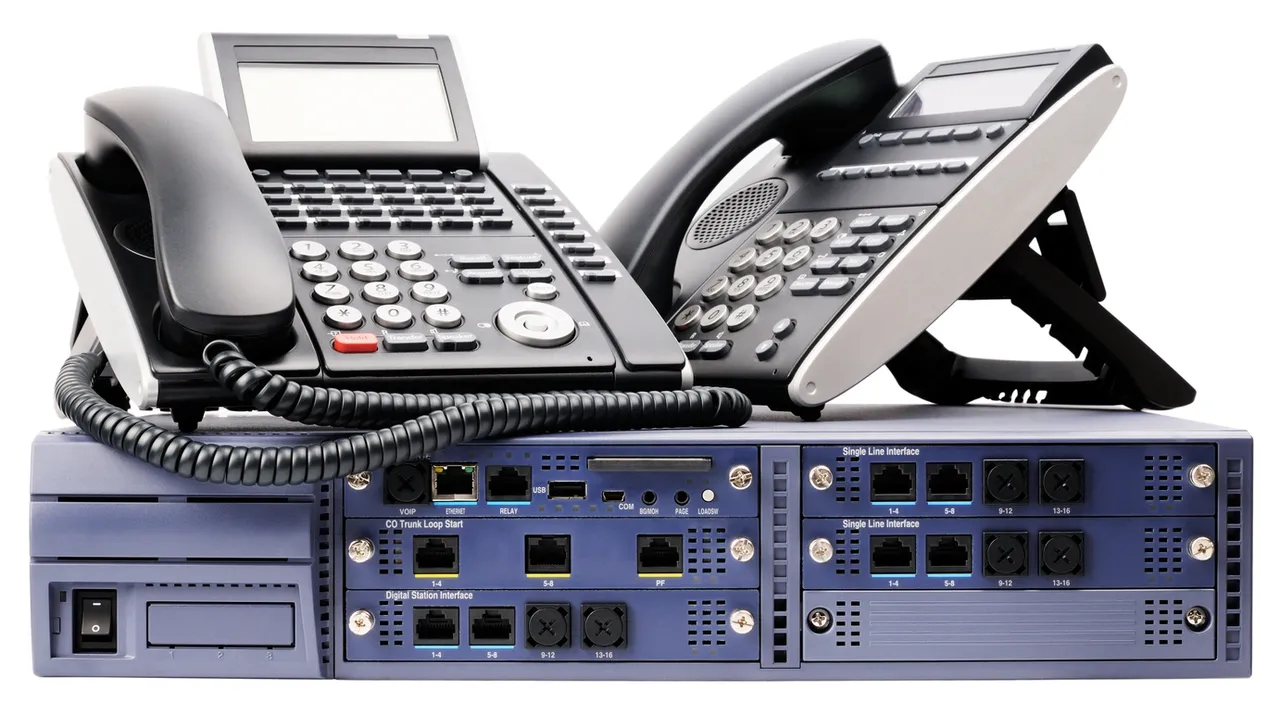
Voice over Internet Protocol has become one of the most common entry points into cloud adoption for higher education.
On the surface, the case is straightforward. Aging phone systems are difficult to maintain, support contracts are becoming harder to justify, and the promise of flexibility is appealing.
In practice, moving voice to the cloud is not a simple replacement. It is a redesign of a critical communication system.
Why Voice Moves First
Voice systems are often among the oldest pieces of infrastructure in an institution.
They are also highly visible. When they fail, the impact is immediate. Administrative offices, classrooms, safety systems, and support services all rely on consistent performance.
Cloud-based voice platforms offer a path away from hardware dependency. They reduce the need for on-site equipment and can simplify user management across distributed campuses.
For institutions managing multiple locations, this can create real operational relief.
But only if the environment can support it.
The Hidden Dependency: Network Readiness
Voice over Internet Protocol depends entirely on network performance.
We have seen environments where voice systems were moved to the cloud without fully validating the underlying network. On paper, bandwidth was sufficient. In reality, latency, jitter, and packet loss created inconsistent call quality.
The result is not a system failure. It is something more difficult to manage. Intermittent issues, dropped calls, and degraded clarity that are hard to isolate and even harder to explain.
Voice exposes what the network actually is, not what it was assumed to be.
Cost Shifts, Not Cost Elimination
Cloud-based voice is often expected to reduce cost.
It can. But only when licensing, usage patterns, and feature requirements are clearly understood.
We have seen institutions carry forward legacy configurations into cloud platforms without re-evaluating what is actually needed. The result is over-licensing, unused features, and ongoing operational expense that exceeds the original system.
At the same time, costs that were once fixed become variable. Usage-based pricing introduces a level of unpredictability that requires active management.
Without structure, the financial model becomes harder to control.
Emergency Systems and Compliance
Voice systems in higher education are not just administrative tools. They are part of life safety.
Emergency calling, location accuracy, and integration with campus safety systems must function reliably under all conditions.
We have seen cloud voice deployments where these elements were assumed to carry over automatically. In reality, location data was incomplete, routing was not fully tested, and responsibility for configuration was unclear.
These are not theoretical risks. They are gaps that only become visible when tested under pressure.
Integration With What Already Exists
Voice does not operate in isolation.
It connects to paging systems, security infrastructure, classroom technology, and administrative workflows. Moving voice to the cloud changes how these integrations behave.
In some cases, systems that were tightly coupled in a physical environment become loosely connected across networks. Delays are introduced. Dependencies shift. Support boundaries become less clear.
Without a full understanding of these relationships, institutions can unintentionally fragment systems that previously worked together.
Design Before Migration
Successful cloud voice deployments start with design, not selection.
That design includes:
What the network can actually support
How voice traffic will be prioritized
What level of redundancy is required
How emergency services will function
Who owns configuration, support, and cost management
When these questions are answered early, the transition becomes controlled. When they are not, issues tend to surface after the system is live, when correction is more difficult.
What Efficiency Actually Looks Like
Efficiency in cloud-based voice systems is not achieved by moving off hardware alone.
It comes from:
Clear alignment between system design and user needs
Defined ownership of the platform
Ongoing visibility into cost and usage
Confidence that the network can support consistent performance
We have seen institutions achieve this. We have also seen environments where the technology changed, but the underlying issues remained.
The difference is not the platform.
It is the clarity behind the decisions.
A Measured Approach to Cloud Voice
Voice over Internet Protocol in the cloud can improve flexibility, simplify management, and support distributed environments.
But it should not be treated as a direct replacement for what exists today.
Institutions that approach it carefully take the time to understand their network, validate their dependencies, and define how the system will operate before making the move.
That approach does not remove complexity.
It prevents it from showing up later, when it is harder to manage.
If you are evaluating cloud-based voice systems, it helps to see how these decisions are made in real environments and where issues tend to surface before they are visible.
Reach Out to Learn How We Approach These Decisions.