
How Organizations Overspend on Technology Procurement

Technology procurement costs often begin climbing long before a purchase order is issued. The problem is rarely limited to the price a vendor quotes. More often, organizations spend too much because requirements were never fully defined, existing infrastructure was not adequately evaluated, or critical decisions were postponed until after the procurement process began. By the […]
How Poor Network Segmentation Creates Security Exposure
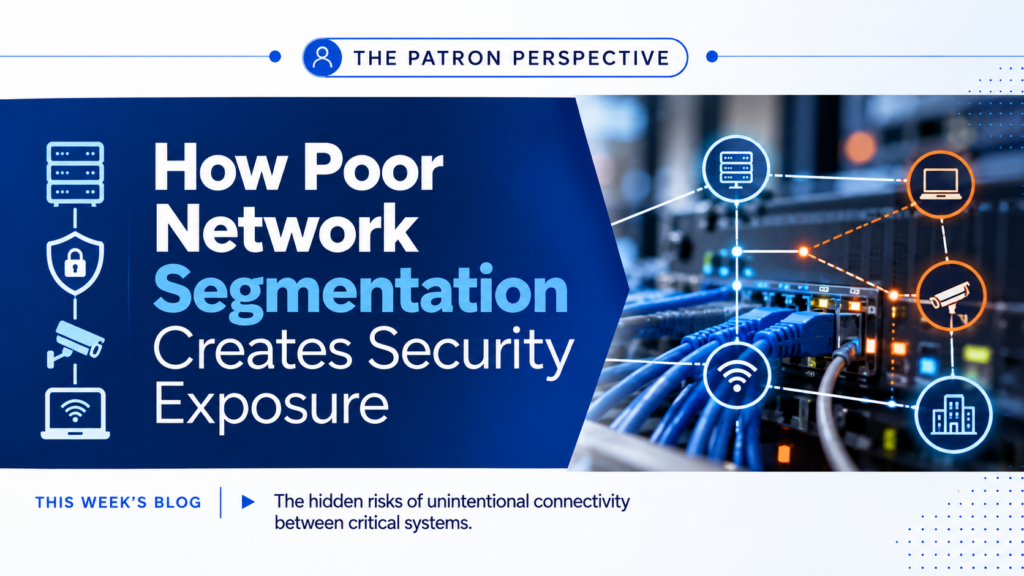
Network segmentation problems rarely begin with a single bad configuration. They develop gradually as environments expand, new systems are added, temporary exceptions become permanent, and security policies fail to keep pace with the physical and logical network. The result is often a network that appears organized on a diagram but provides far more connectivity between […]
The Future of Campus Connectivity Infrastructure

Campus connectivity is becoming less about adding capacity and more about building an infrastructure foundation that can absorb change without requiring constant reconstruction. Voice, data, and wireless connectivity now depend on the same underlying physical environment: pathways, telecommunications rooms, fiber, copper cabling, power, and equipment locations. When those pieces are planned independently, institutions inherit limitations […]
Designing Data Centers for Resiliency Instead of Recovery
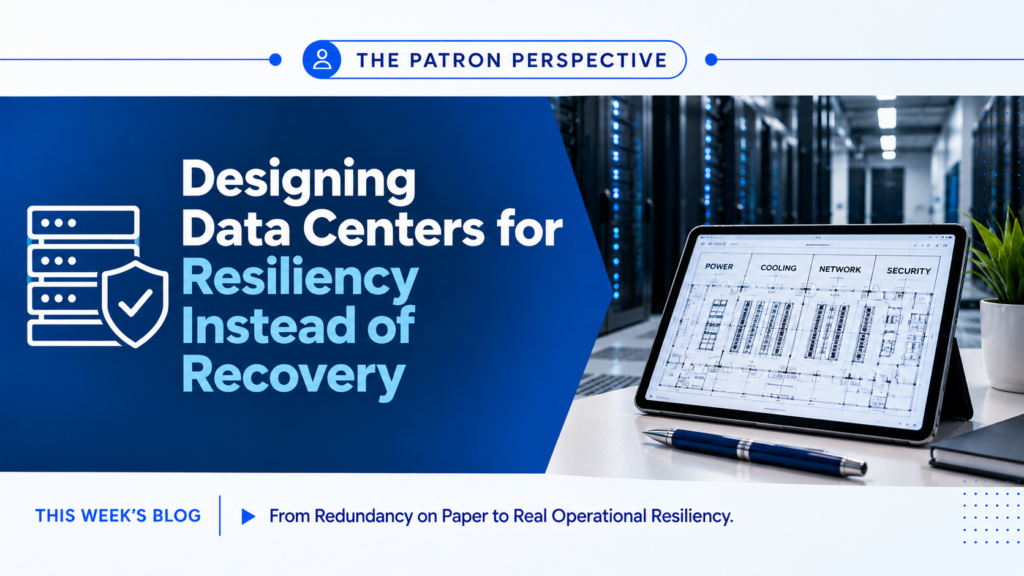
A resilient data center is not defined by how quickly a team can recover after something fails. It is defined by how much of the environment continues operating while the failure is happening. That distinction matters. Many data centers have backup power, redundant network connections, multiple cooling units, and documented recovery procedures. Those are important […]
Why Fiber Documentation Matters During Emergency Upgrades
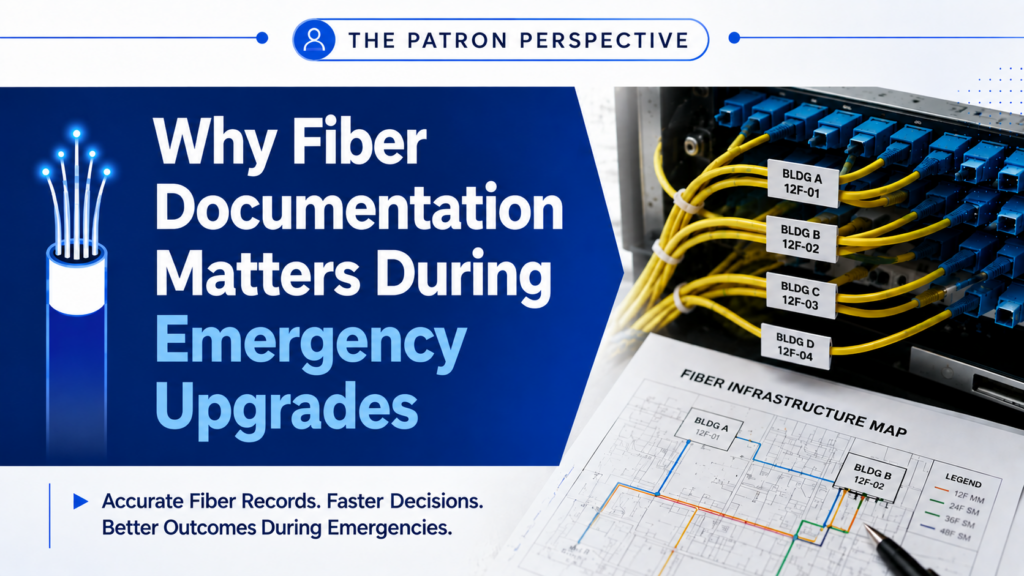
Fiber documentation often feels like a secondary concern until something fails. During an emergency upgrade, outage, or unplanned infrastructure change, incomplete records can turn what should be a controlled response into a field investigation. The problem is rarely that experienced teams cannot troubleshoot fiber. The problem is that they are forced to spend critical time determining what is actually connected, […]
How Lifecycle Cost Modeling Prevents Budget Shock

Every technology project begins with a number. Unfortunately, that number is often the purchase price. For many institutions, the real cost of an information technology investment does not become apparent until years after implementation. Equipment requires maintenance. Software licensing changes. Power and cooling costs increase. Components reach the end of their useful life at different times. What appeared affordable during procurement gradually becomes […]
A Tactical Guide for CIOs: Reducing Risk While Adopting New Tech

Adopting a new platform—whether for project management, workflow automation, data operations, enrollment, security, or enterprise systems—is one of the most consequential decisions a CIO will make. The right platform accelerates growth, strengthens governance, and improves efficiency. The wrong one introduces risk, creates technical debt, and disrupts operations in ways that can take years to unwind.CIOs […]
The Real Cost of Inaction in Modern Project Management Workflows

Most organizations know their project management workflows aren’t perfect. Tasks fall through the cracks, updates come late, dependencies get missed, and teams create their own side systems to get work done. But because the work eventually gets completed, the underlying inefficiencies remain ignored. This is the trap. When leaders delay fixing outdated project management workflows, it doesn’t […]
Why a Fresh Pair of Eyes Can Save Your IT Project

Two network racks appear separate in a diagram, but a closer look reveals both connect to the same physical pathway, highlighting hidden risk. Most problems in information technology projects are not hidden. They are simply unchallenged. Teams review drawings. They walk sites. They check boxes. Over time, a version of reality forms that everyone becomes […]
The Case for Staying Independent: How Vendor Neutrality Protects

A quiet but critical decision point: independent guidance versus vendor-led direction in complex information technology environments. Vendor relationships are often built on trust, familiarity, and past success. Over time, that trust can quietly become dependency. When that happens, decisions start to follow the path of least resistance instead of the path of best outcome. Vendor […]