
Before You Buy More Fiber, Measure What You Already Have
On many college and university campuses, fiber optic infrastructure grows quietly over time. New buildings are added. Renovations occur. Emergency reroutes are installed. Temporary connections become permanent. Years pass. Eventually, a familiar conclusion surfaces: the campus believes it has run out of fiber.
The typical response is equally familiar. Install more. In our experience, institutions rarely run out of fiber. They run out of visibility.
The Jumper Problem No One Can See
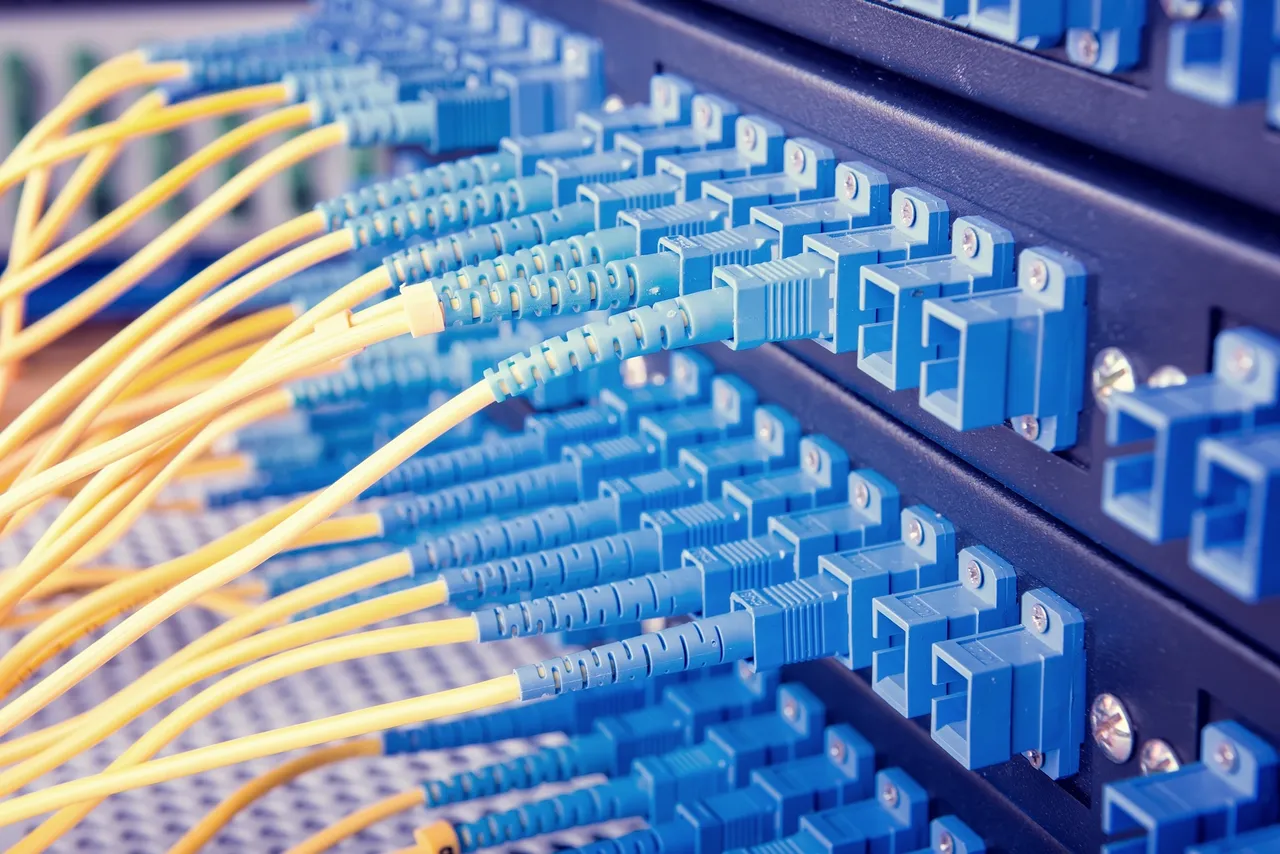
In theory, determining whether existing fiber is fully utilized should be straightforward. In practice, it is rarely clear. Once jumpers are installed between panels, there is no reliable way to confirm whether a jumper is actively serving a circuit without risking disruption. Over time, jumpers accumulate. Circuits are abandoned quietly. Temporary connections remain in place long after their purpose has passed. Panels appear full. The safe operational assumption becomes that they are full.
When circuits are not labeled and tracked from origin to termination, no one can confidently distinguish active infrastructure from stranded capacity. The result is predictable. The institution concludes it must build more. That assumption carries cost.
What We Consistently Find
When fiber circuits are physically traced, labeled, and documented end to end, the findings are remarkably consistent across institutions:
- Cables believed to be fully consumed are often only partially utilized
- Jumpers remain in place long after services have been decommissioned
- Drawings reflect design intent, not current reality
- Institutional knowledge has been left with the prior staff
The infrastructure exists. What is missing is verified documentation.
Why Labeling Must Be End-to-End
Labeling a panel alone does not solve the problem. True utilization can only be understood when each active circuit is identified from its origin, through intermediate frames and jumpers, to its termination point.
That requires:
- Physical verification in the field
- Clear labeling of active circuits
- Structured reconciliation of panels, jumpers, and backbone cables
- A managed database that treats each circuit as a traceable asset
This is not administrative work. It is infrastructure governance. Without measurement, every expansion decision is based on an assumption.
A Disciplined Approach to Fiber Visibility
In complex campus environments, visibility must be earned through methodical fieldwork and structured documentation.
The process is straightforward but demanding:
- Verify what physically exists
- Confirm what is active
- Remove what is abandoned
- Document circuits in a form that leadership can rely on
When that work is complete, institutions regain measurable control of the infrastructure they already own.
In many cases, planned fiber expansions are deferred or resized because previously unseen capacity is revealed. In other cases, expansion is confirmed as necessary, but now it is supported by evidence rather than assumption.
Both outcomes are valuable.
Measure First. Then Decide.
Fiber infrastructure is critical, but it is often managed through inherited documentation and cautious guesswork. Until utilization is physically verified and documented end-to-end, decisions to build more are estimates. Estimates are an expensive way to manage essential systems.
Contact Us for More Info